

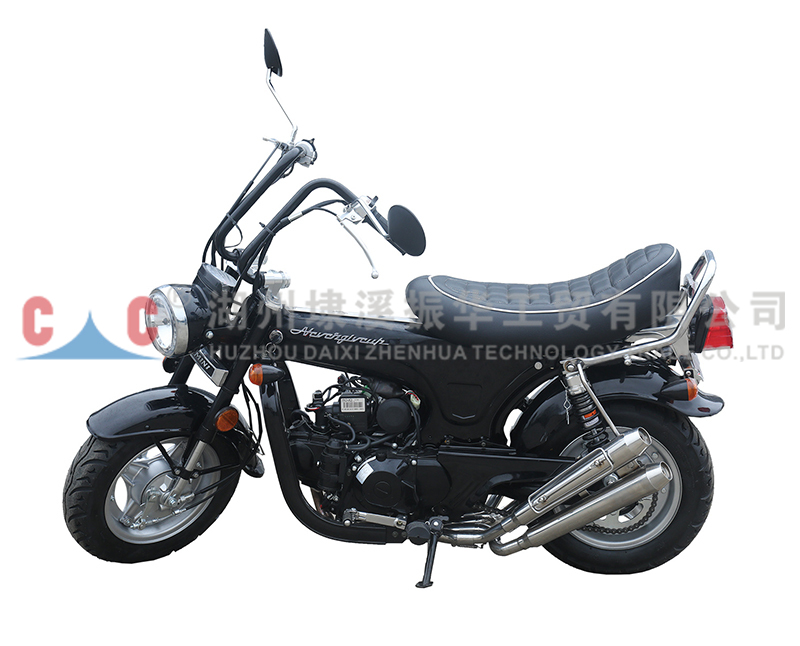
Classic Motorcycle
A classic motorcycle is not defined by age alone. It is a confluence of historical significance, iconic design, and engineering character that captures the spirit of its era and continues to resonate with enthusiasts today. Unlike a mere old motorcycle, a classic represents a milestone—an innovative design that set new standards, a machine that dominated competition, or a model that perfectly encapsulated the style and technology of its time. Its value is preserved and often enhanced by a dedicated community that appreciates its mechanical artistry, the quality of its construction, and the unique riding experience it offers. This enduring appeal, spanning generations, is what separates a classic from a simple used bike.
Understanding the subtle distinctions within the hobby is also important. While often used interchangeably, terms have specific connotations for purists. Generally, a 'vintage' motorcycle refers to a machine from a specific, older period (often pre-war or of a certain age, like over 40 years old). An 'antique' is typically much older, often with cut-off dates defined by organizations (e.g., pre-1915 or pre-1930). 'Classic' can be broader, encompassing both vintage machines and more recent models from the 70s and 80s that have achieved iconic status. The key is that these machines are no longer just transportation; they are moving history, art objects, and cherished projects.
Entering the world of classic motorcycles is an exciting prospect, but the initial choice can be daunting. The goal is to select a machine that is engaging, mechanically understandable, and supported by a strong community for parts and knowledge. For a new enthusiast, the right first bike is one that offers more rewarding rides than frustrating repairs. Modern trends show a surge in interest for accessible classics from the 1970s and 80s, as they often blend timeless style with more manageable maintenance than their pre-war ancestors.
The ideal starter classic is a balance of charm and practicality. When searching for the best classic motorcycles for beginners, several key factors should guide your decision beyond pure aesthetics.
Here is a comparison of popular beginner-friendly categories:
| Era/Type | Examples | Beginner Appeal | Considerations |
| Japanese UJM (70s-80s) | Honda CB series, Yamaha XS650 | High parts availability, reliable engineering, immense community knowledge. | Can be heavy; some models are now becoming collectible, raising prices. |
| British Singles (60s-70s) | BSA Bantam, Triumph Tiger Cub | Lightweight, simple mechanics, quintessential classic style. | Older technology requires more fiddling; electrical systems can be fragile. |
| Small-Bore Japanese (80s) | Honda CM/CB 400/450, Kawasaki KZ400 | Light, nimble, easy to work on, and very forgiving for new riders. | Less power for highway use; styling may be less ""classic"" to some. |
Restoration is the heart of the classic motorcycle hobby, a process of mechanical and historical resurrection. It's a journey that requires patience, skill, and a deep appreciation for craft. A well-executed restoration can be immensely satisfying, transforming a neglected relic into a shining piece of functional history. The process is typically not linear but cyclical, involving phases of disassembly, assessment, sourcing, repair, and reassembly. Following a structured vintage classic motorcycle restoration guide mindset is crucial to avoid overwhelm and ensure a safe, correct, and rewarding outcome.
The first and most critical phase is assessment and planning. Before turning a single wrench, thoroughly document the bike with photos, create a detailed inventory, and research its original specifications. Develop a realistic budget and timeline, then triple both. Sourcing is the next great challenge. For a classic British motorcycle parts and accessories or any other niche, this means cultivating relationships with specialized suppliers, scouring online forums and classifieds, and sometimes learning machining or fabrication skills to recreate unobtainable parts.
Owning a classic motorcycle is an exercise in stewardship. Unlike modern machines that demand little beyond scheduled servicing, a classic requires a more engaged, sympathetic approach to maintenance. This relationship is part of the appeal for many owners. Learning how to maintain a classic motorcycle is about understanding its unique needs—the care of chrome and cadmium plating, the adjustment of points and carburetors, the preservation of paint and rubber. It's a commitment to preserving not just a vehicle, but a piece of engineering heritage, ensuring it provides enjoyment for decades to come.
While passion is the primary driver, the investment value of classic motorcycles has become an undeniable aspect of the market. Certain models have shown remarkable appreciation, outperforming traditional financial assets. This value is driven by a combination of nostalgia, rarity, and historical importance. However, investing in classics requires knowledge and a clear understanding that it is not a liquid market like stocks. The most reliable gains often come from buying the best original or correctly restored example you can afford of a desirable model, rather than seeking a cheap project with the hope of massive profit.
Key factors that influence value include provenance (documented history, original ownership), authenticity (matching numbers, correct parts), and condition (often judged on a concours scale from barn find to show-winner). Market trends currently show strong performance for iconic race-replicas, limited-production models, and machines from defunct or historically significant marques.
A realistic budget extends far beyond the purchase price of the bike. A common rule of thumb among restorers is to at least double the initial cost for parts, tools, and professional services (like machining or painting). For a complete, running but tired bike, a $3,000 purchase could easily require another $3,000-$5,000 to become reliable and presentable. For a non-running project, costs can be much higher and more unpredictable. Always budget for the unexpected—a cracked case, a seized engine, or a hard-to-find component can dramatically alter expenses.
While it's technically possible, daily riding a 40 or 50-year-old machine requires significant compromises and dedication. You must be your own on-the-road mechanic, comfortable with troubleshooting points ignition or carburetion issues. Reliability will not match a modern fuel-injected bike, especially in variable weather. Safety features like braking performance and tire technology are from a different era. Many enthusiasts choose to use their classics for sunny weekend pleasure rides and local shows, preserving them from the wear, salt, and risks of daily commuting, which also helps maintain their condition and value.
The community is your greatest resource. Start with model-specific and marque-specific online forums; they are treasure troves of knowledge, classifieds, and technical advice. For parts, established specialized retailers are reliable for common items. For rare classic British motorcycle parts and accessories or NOS (New Old Stock) items, dedicated eBay searches, word-of-mouth within clubs, and salvage yards specializing in classics are key. Attending local classic bike shows and swap meets is irreplaceable for making connections, finding parts, and learning from other owners.
The scene is dynamic. 'Barn Find' discoveries continue to capture headlines, but there's a growing appreciation for 'Survivors'—original, unrestored bikes with honest patina. The 'Custom Classic' or 'Resto-Mod' trend is strong, where owners subtly upgrade classics with modern brakes, suspension, or electronic ignition for improved usability while preserving aesthetics. Digitization is also a trend, with online auction platforms making the market more global and transparent, and 3D printing beginning to solve the problem of unobtainable plastic and rubber components.
Search
Search for products that you are interested in.
Company

 Privacy